
LIFE IN EASTERN NAGALAND
Learn some amazing facts about the special culture that we serve!
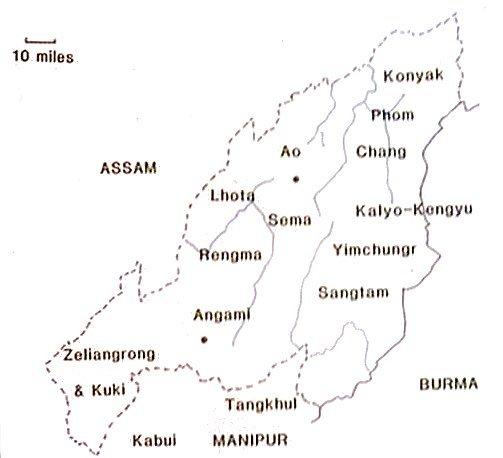
A map of Nagaland's major tribes and regions.
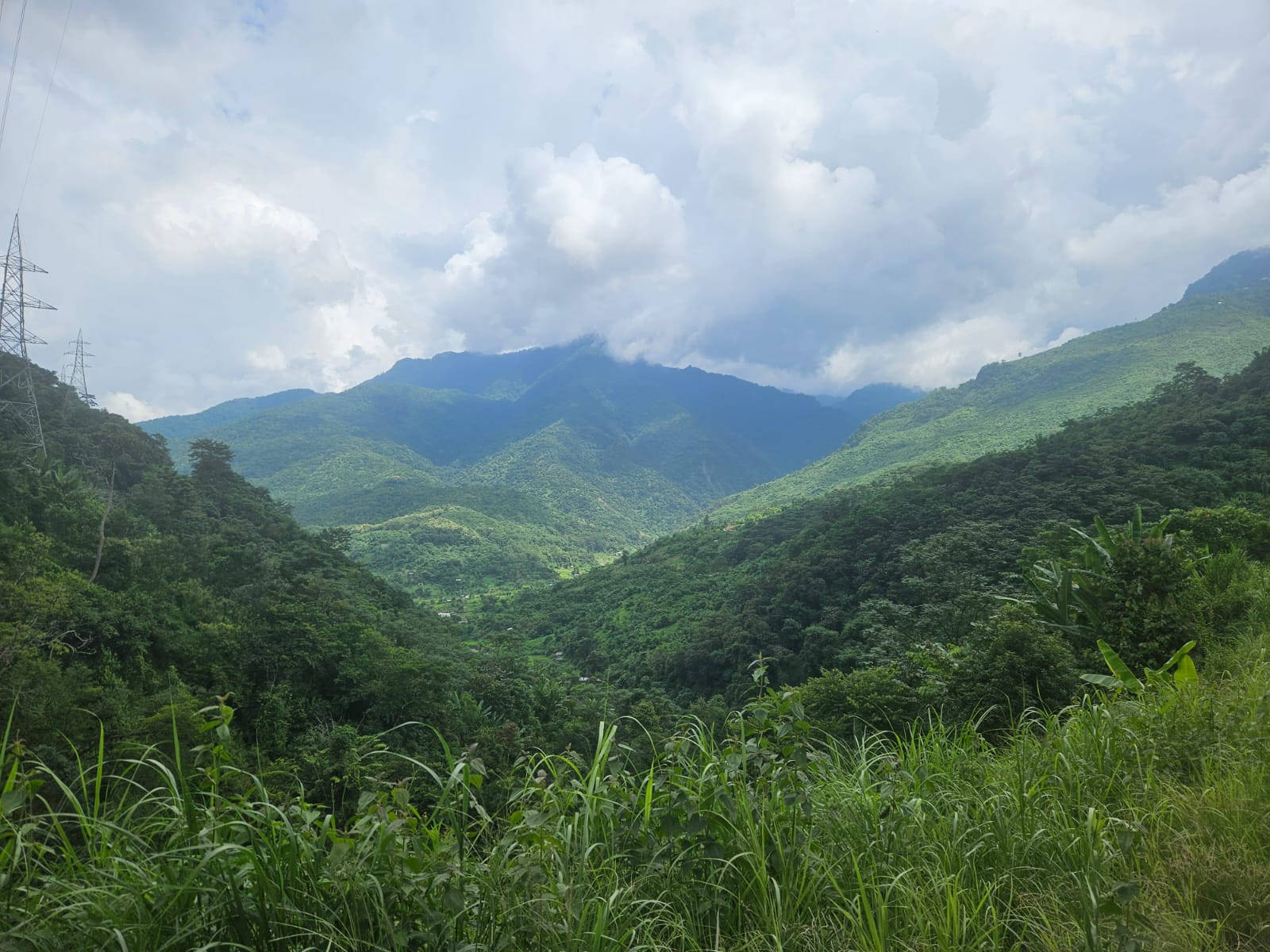
Nagaland's breathtakingly beautiful geography.
Nestled among rolling hills, dense forests, and remote mountain valleys, Eastern Nagaland is one of India’s most culturally rich and geographically isolated regions. Home to diverse tribal communities, the region is known for its vibrant traditions, strong sense of identity, and deep connection to the land.
Despite significant challenges in infrastructure, healthcare, education, and connectivity, the people of Eastern Nagaland demonstrate remarkable resilience, hospitality, and community spirit. Life here is shaped by close-knit relationships, faith, and a shared commitment to preserving cultural heritage while building a better future for the next generation.
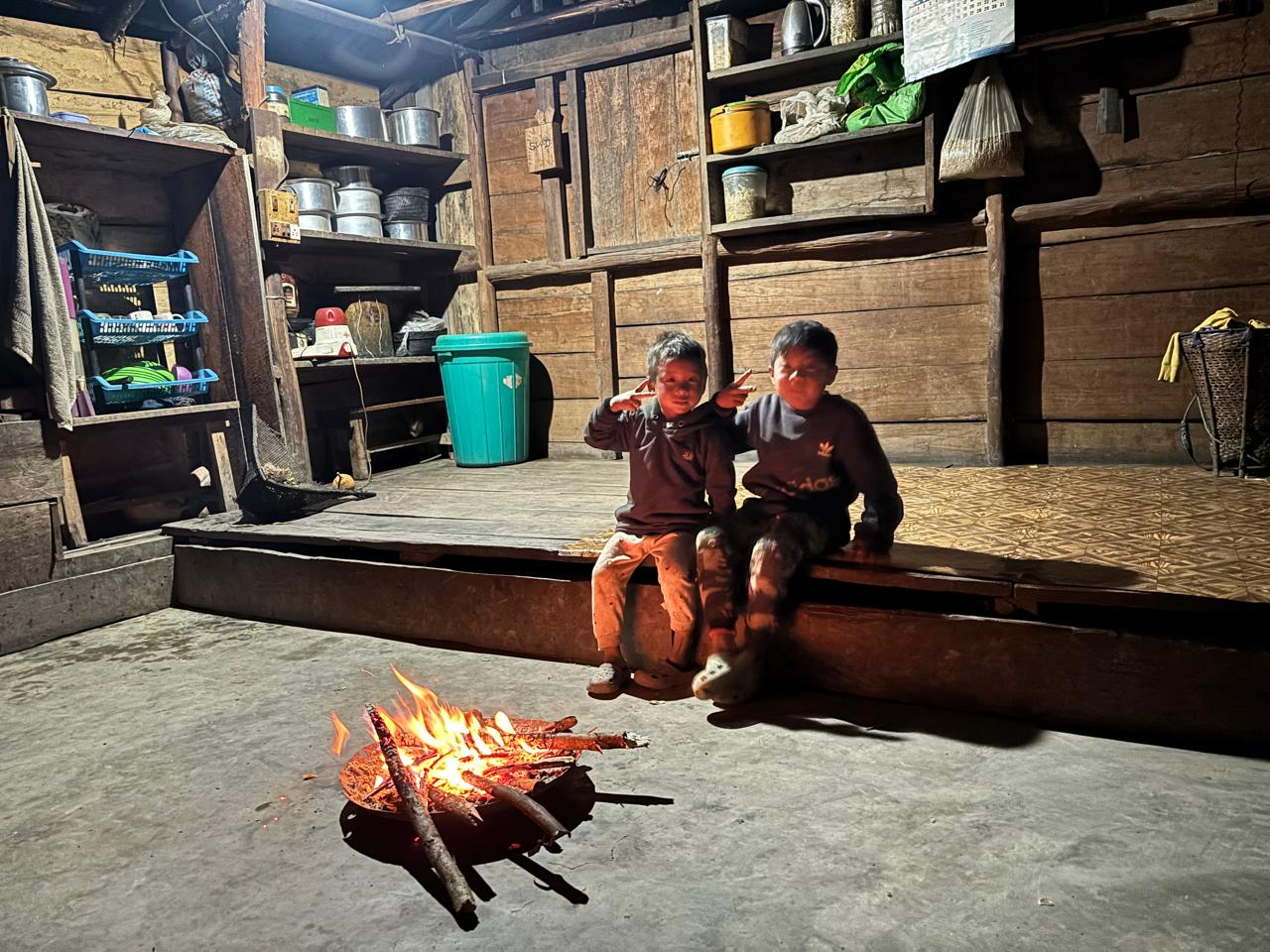
Two children in a traditional naga home.
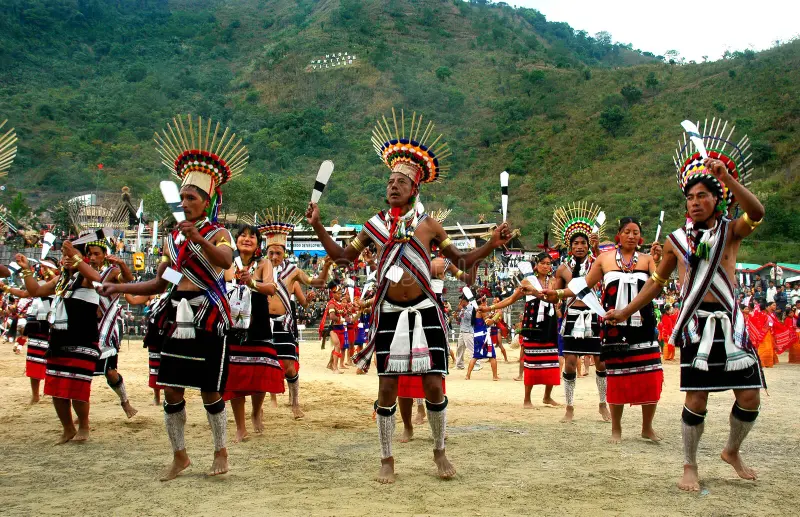
A photo of a tribal gathering.
Community life in Eastern Nagaland is deeply rooted in tribal customs, traditional leadership, and collective responsibility. Elders play an important role in preserving oral history, cultural values, and local knowledge. Festivals, ceremonies, and community gatherings strengthen social bonds and celebrate the unique heritage of each tribe.
Faith is also central to daily life, providing hope, purpose, and a strong foundation for community development. While Eastern Nagaland possesses extraordinary cultural wealth, many communities continue to face barriers in education, healthcare, livelihood opportunities, and access to basic services. Yet amid these challenges, local communities remain resilient and hopeful. Through partnerships that respect local culture and empower local leadership, lasting change is possible.
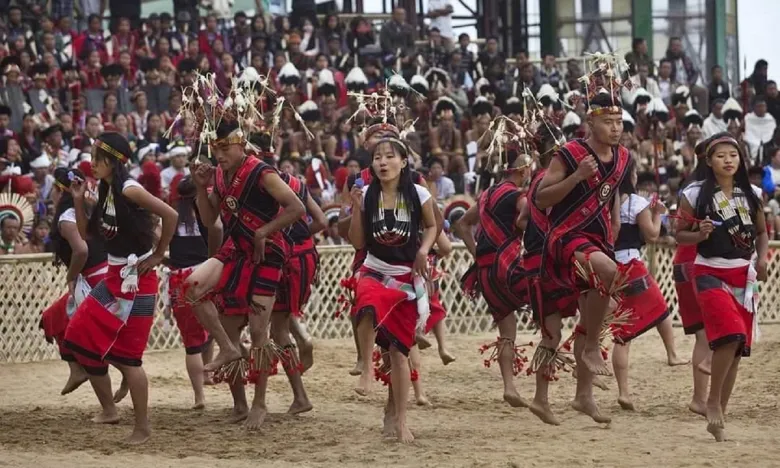
A group of individuals performing the 'Chang Lo' dance, typically done
during the Paonglem Festival before the Harvest Season.
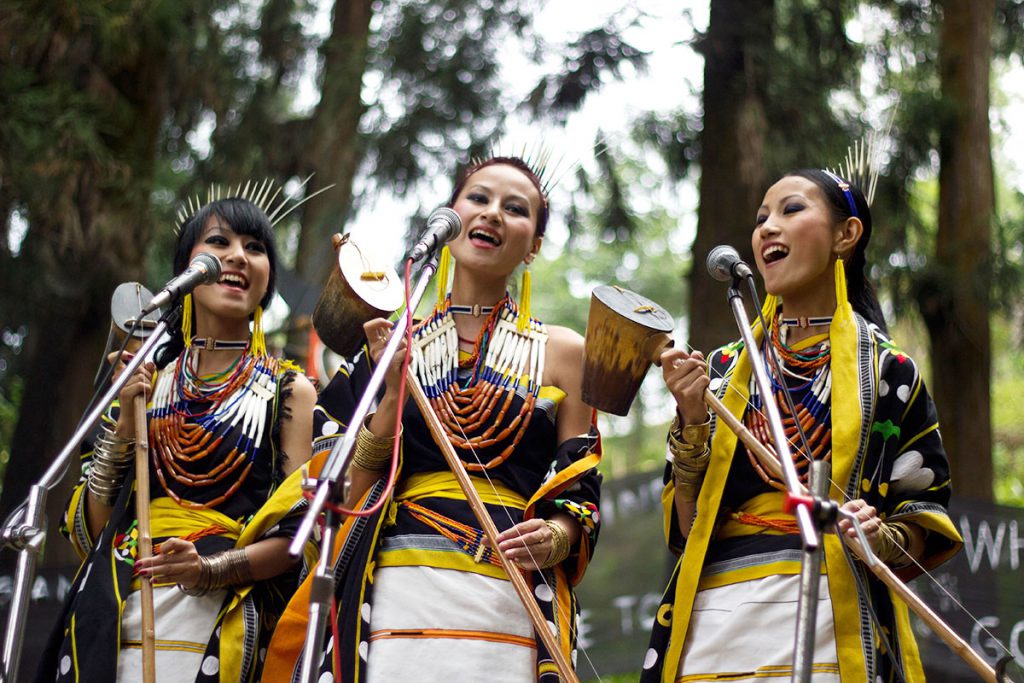
Three women performing a naga folk song. They are holding Tatis,
indigenous single-stringed instruments.
Music, storytelling, and dance are woven into the fabric of life across Eastern Nagaland. Traditional songs recount histories, honour ancestors, and celebrate important milestones. Colourful dances performed during festivals and special occasions reflect the courage, creativity, and cultural identity of the region’s many tribes.
These artistic traditions continue to be passed down through generations, helping preserve a rich cultural legacy in a rapidly changing world.
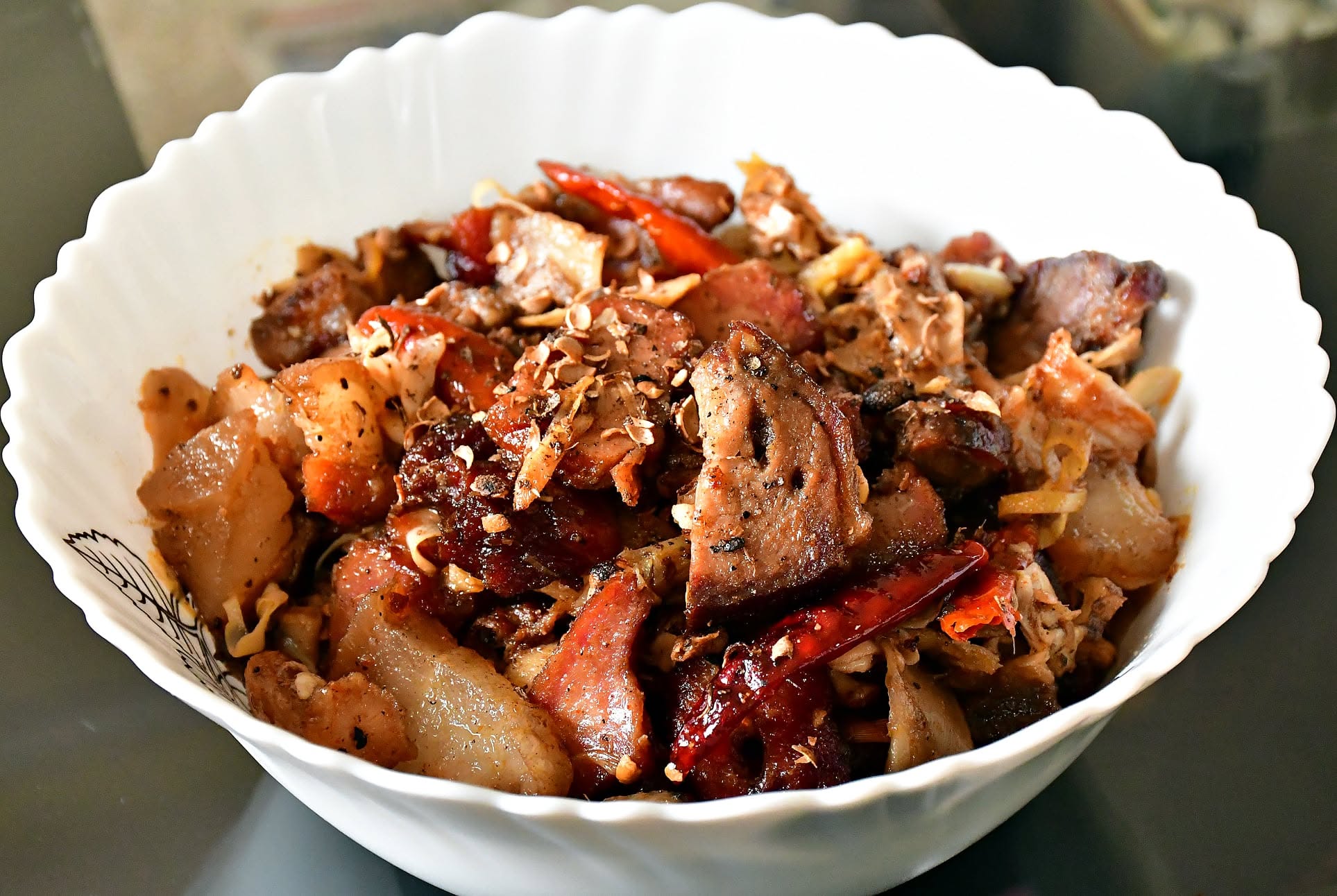
Pork with dried Bamboo Shoot, a staple naga dish.
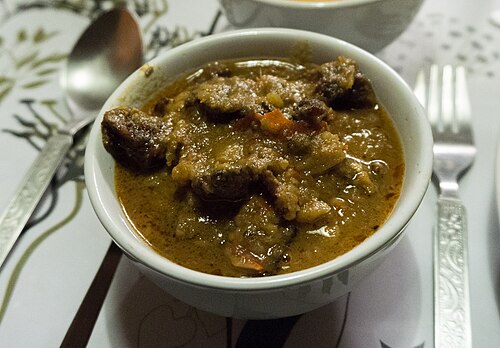
A dish with Akhuni - a type of fermented soybean - and smoked pork.
The cuisine of Eastern Nagaland reflects a close relationship with nature and the surrounding environment. Meals are often prepared using locally grown vegetables, rice, herbs, wild plants, and indigenous ingredients gathered from nearby forests and fields.Traditional methods such as smoking, fermenting, and drying food have been practised for generations, creating distinctive flavours while ensuring food security in remote areas. Sharing meals remains an important expression of hospitality and community life.
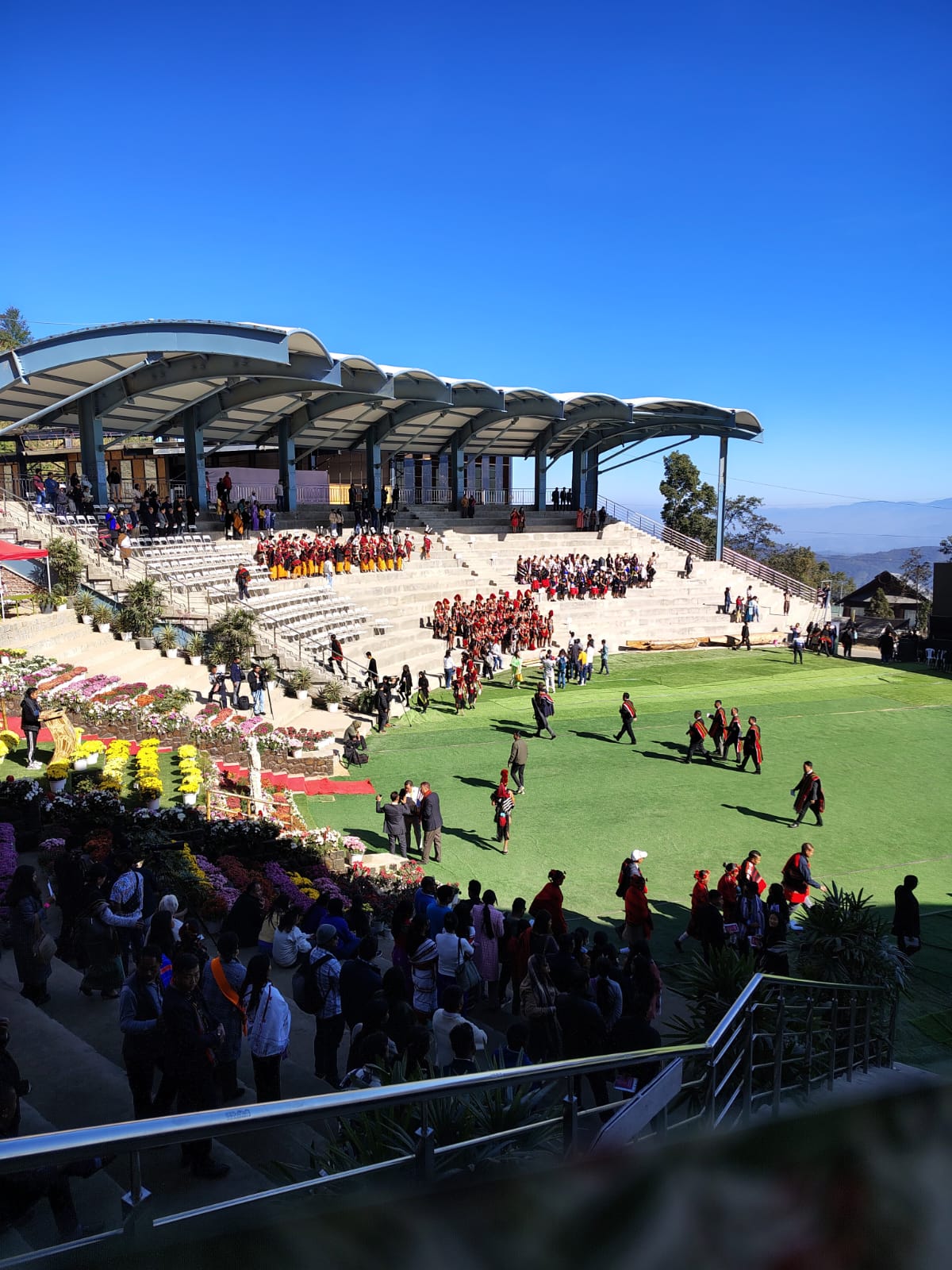
A photo of the hornbill festival being celebrated.
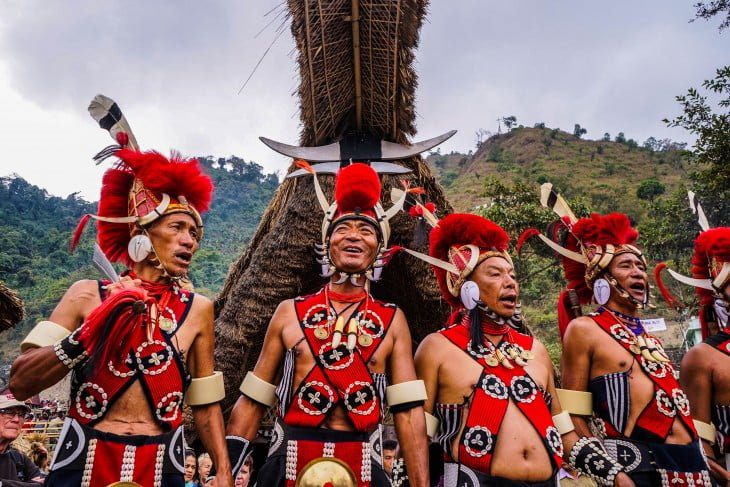
Traditional tribal outfits worn for the Hornbill Festival.
LIFE IN EASTERN NAGALAND
Learn some amazing facts about the special culture that we serve!
A map of Nagaland's major tribes and regions.
Nagaland's breathtakingly beautiful geography.
Nestled among rolling hills, dense forests, and remote mountain valleys, Eastern Nagaland is one of India’s most culturally rich and geographically isolated regions. Home to diverse tribal communities, the region is known for its vibrant traditions, strong sense of identity, and deep connection to the land.
Despite significant challenges in infrastructure, healthcare, education, and connectivity, the people of Eastern Nagaland demonstrate remarkable resilience, hospitality, and community spirit. Life here is shaped by close-knit relationships, faith, and a shared commitment to preserving cultural heritage while building a better future for the next generation.
Two children in a traditional naga home.
A photo of a tribal gathering.
Community life in Eastern Nagaland is deeply rooted in tribal customs, traditional leadership, and collective responsibility. Elders play an important role in preserving oral history, cultural values, and local knowledge. Festivals, ceremonies, and community gatherings strengthen social bonds and celebrate the unique heritage of each tribe.
Faith is also central to daily life, providing hope, purpose, and a strong foundation for community development. While Eastern Nagaland possesses extraordinary cultural wealth, many communities continue to face barriers in education, healthcare, livelihood opportunities, and access to basic services. Yet amid these challenges, local communities remain resilient and hopeful. Through partnerships that respect local culture and empower local leadership, lasting change is possible.
A group of individuals performing the 'Chang Lo' dance, typically done
during the Paonglem Festival before the Harvest Season.
Three women performing a naga folk song. They are holding Tatis,
indigenous single-stringed instruments.
Music, storytelling, and dance are woven into the fabric of life across Eastern Nagaland. Traditional songs recount histories, honour ancestors, and celebrate important milestones. Colourful dances performed during festivals and special occasions reflect the courage, creativity, and cultural identity of the region’s many tribes.
These artistic traditions continue to be passed down through generations, helping preserve a rich cultural legacy in a rapidly changing world.
Pork with dried Bamboo Shoot, a staple naga dish.
A dish with Akhuni - a type of fermented soybean - and smoked pork.
The cuisine of Eastern Nagaland reflects a close relationship with nature and the surrounding environment. Meals are often prepared using locally grown vegetables, rice, herbs, wild plants, and indigenous ingredients gathered from nearby forests and fields.Traditional methods such as smoking, fermenting, and drying food have been practised for generations, creating distinctive flavours while ensuring food security in remote areas. Sharing meals remains an important expression of hospitality and community life.
A photo of the hornbill festival being celebrated.
Traditional tribal outfits worn for the Hornbill Festival.
LIFE IN EASTERN NAGALAND
Learn some amazing facts about the special culture that we serve!
Nestled among rolling hills, dense forests, and remote mountain valleys, Eastern Nagaland is one of India’s most culturally rich and geographically isolated regions. Home to diverse tribal communities, the region is known for its vibrant traditions, strong sense of identity, and deep connection to the land.
Despite significant challenges in infrastructure, healthcare, education, and connectivity, the people of Eastern Nagaland demonstrate remarkable resilience, hospitality, and community spirit. Life here is shaped by close-knit relationships, faith, and a shared commitment to preserving cultural heritage while building a better future for the next generation.
A map of Nagaland's major tribes and regions.
Nagaland's breathtakingly beautiful geography.
Community life in Eastern Nagaland is deeply rooted in tribal customs, traditional leadership, and collective responsibility. Elders play an important role in preserving oral history, cultural values, and local knowledge. Festivals, ceremonies, and community gatherings strengthen social bonds and celebrate the unique heritage of each tribe.
Faith is also central to daily life, providing hope, purpose, and a strong foundation for community development. While Eastern Nagaland possesses extraordinary cultural wealth, many communities continue to face barriers in education, healthcare, livelihood opportunities, and access to basic services. Yet amid these challenges, local communities remain resilient and hopeful. Through partnerships that respect local culture and empower local leadership, lasting change is possible.
Two children in a traditional naga home.
A photo of a tribal gathering.
Music, storytelling, and dance are woven into the fabric of life across Eastern Nagaland. Traditional songs recount histories, honour ancestors, and celebrate important milestones. Colourful dances performed during festivals and special occasions reflect the courage, creativity, and cultural identity of the region’s many tribes.
These artistic traditions continue to be passed down through generations, helping preserve a rich cultural legacy in a rapidly changing world.
A group of individuals performing the 'Chang Lo' dance, typically done
during the Paonglem Festival before the Harvest Season.
Three women performing a naga folk song. They are holding Tatis,
indigenous single-stringed instruments.
The cuisine of Eastern Nagaland reflects a close relationship with nature and the surrounding environment. Meals are often prepared using locally grown vegetables, rice, herbs, wild plants, and indigenous ingredients gathered from nearby forests and fields.Traditional methods such as smoking, fermenting, and drying food have been practised for generations, creating distinctive flavours while ensuring food security in remote areas. Sharing meals remains an important expression of hospitality and community life.
Pork with dried Bamboo Shoot, a staple naga dish.
A dish with Akhuni - a type of fermented soybean - and smoked pork.
Often called the “Festival of Festivals,” the Hornbill Festival is Nagaland’s most celebrated cultural event. Bringing together tribes from across the state, it showcases traditional music, dance, crafts, cuisine, indigenous sports, and cultural performances.
More than a festival, Hornbill serves as a vibrant celebration of identity, unity, and heritage. It offers visitors a unique opportunity to experience the rich cultural diversity of Nagaland while highlighting the pride and resilience of its people.
A photo of the hornbill festival being celebrated.
Traditional tribal outfits worn for the Hornbill Festival.